
RF vs FF Flange Valve Faces: Raised Face vs Flat Face Explained
The Short Answer An RF (raised face) flange has a small raised ring around the bore that concentrates the gasket […]
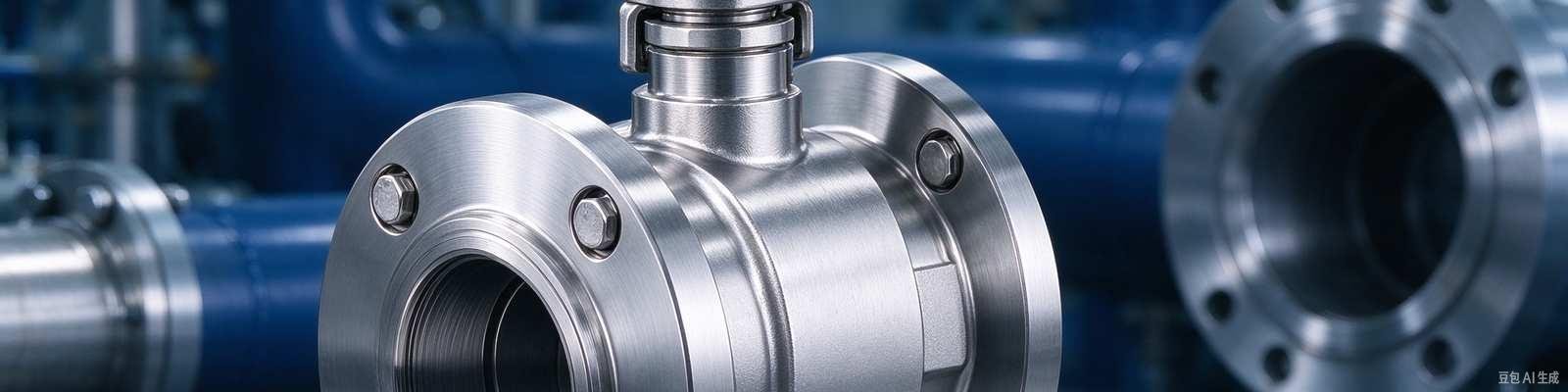
The Short Answer An RF (raised face) flange has a small raised ring around the bore that concentrates the gasket […]
The Short Answer Nuclear valve standards evolve through code revisions, regulatory updates, and industry guidance, and engineers should track them […]
The Short Answer Valve opening angle and flow characteristic describe two different things: the opening angle is the physical travel […]
The Short Answer Spring return actuator sizing is the process of selecting the spring and pneumatic cylinder combination that can […]
The Short Answer Valve corrosion pitting is localized metal loss that appears as small cavities or holes in the body, […]
The Short Answer Aluminum valves make sense when weight matters most and the service is compatible—for example, portable systems, mobile […]
The Short Answer A valve for cryogenic service is one that keeps its sealing function and structural integrity at temperatures […]
The Short Answer Cavitation and flashing both start the same way — the liquid pressure drops below its vapor pressure […]
The Short Answer Pharmaceutical processing places stricter demands on valves than most industries, because the product quality depends on the […]
The Short Answer Steam valve sizing differs from liquid sizing because steam is compressible and its density changes with pressure […]
The Short Answer Fail-safe position defines what the valve does when the actuator loses its power or signal — typically […]
The Short Answer Adjusting valve packing is the routine way to stop a small stem leak without replacing the packing. […]
The Short Answer Bronze and cast iron are both economical valve body materials, but they suit different services. Bronze offers […]
The Short Answer MSS SP-70 and API 599 are two industry standards that buyers reference when procuring industrial valves, but […]
The Short Answer Sanitary food processing demands valves that can be cleaned in place, drain completely, and avoid crevices where […]
The Short Answer RF (raised face) and RTJ (ring-type joint) are two flange face designs used to seal the bolted […]
The Short Answer Water utilities are under pressure to reduce leakage, respond faster to network events, and stretch limited maintenance […]
The Short Answer The flow coefficient Cv and the flow rate in gallons per minute (GPM) are linked by the […]
The Short Answer Sizing an actuator for a ball valve is a torque problem, not a guess. The actuator must […]
The Short Answer Cavitation damage is caused by vapor bubbles forming inside the valve and collapsing against the metal surface, […]
The Short Answer Super duplex stainless steels and Hastelloy nickel alloys both protect valves in aggressive environments, but they sit […]
The Short Answer Pinch valves and diaphragm valves both isolate the process fluid from the valve mechanism, which makes them […]
The Short Answer Hysteresis and deadband are both imperfections in a valve’s response, but they behave differently. Hysteresis is the […]
The Short Answer The LNG value chain — liquefaction, storage, transport, and regasification — continues to be one of the […]
The Short Answer The valve flow coefficient Cv is a number that expresses how much fluid a valve passes at […]