
Butterfly Valve for Throttling Service: Where It Works and Where It Doesn’t
The Short Answer A butterfly valve can be used for throttling, but with a narrower window than a globe valve. […]
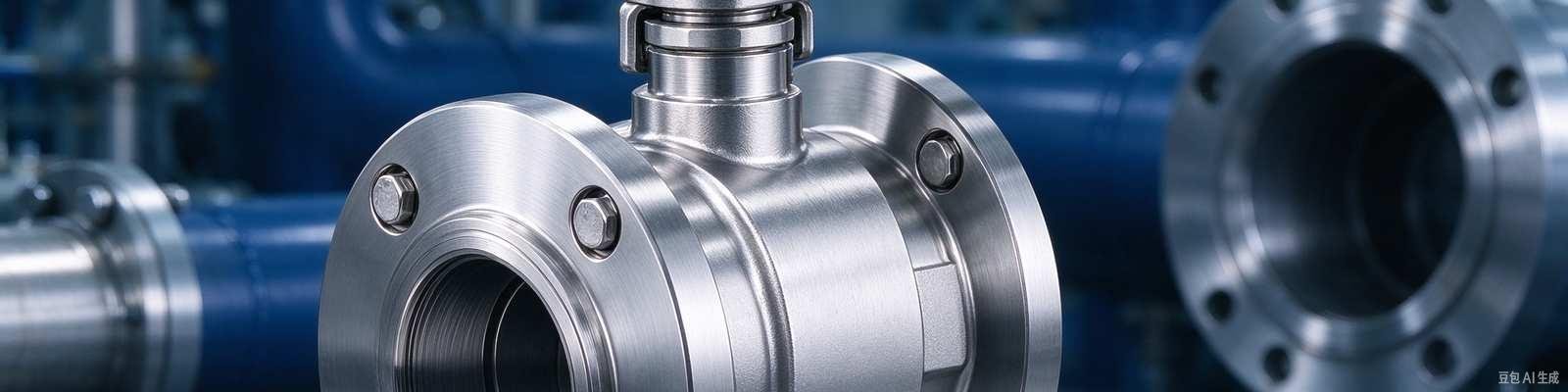
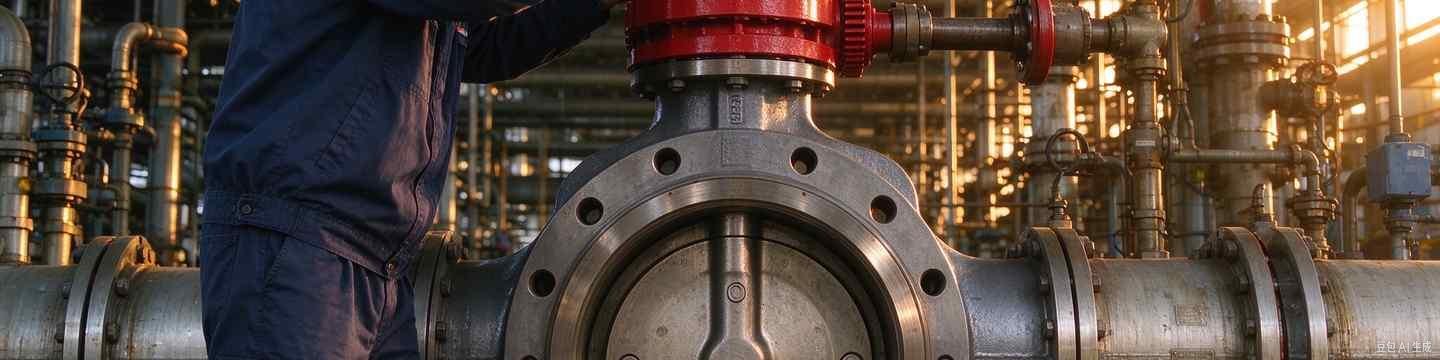
The Short Answer A butterfly valve can be used for throttling, but with a narrower window than a globe valve. […]
The Short Answer Valve leakage classes are the acceptance levels that define how much a valve may leak across the […]
The Short Answer Predictive maintenance for valves means using condition data — stroke time, travel deviation, packing friction, acoustic signatures, […]
The Short Answer Actuator sizing is a five-step process: define the valve’s breakaway torque, add running torque and any thrust […]
The Short Answer A smart positioner and a conventional (pneumatic) positioner both position a control valve’s stem, but they are […]
The Short Answer A gate valve stem leak is almost always a packing problem, and most stem leaks are fixable […]
The Short Answer 304 and 316 are the two most common wrought stainless steel grades for valve bodies, and the […]
The Short Answer MSS SP-67 and API 609 are two standards that cover butterfly valves, and the difference is scope […]
The Short Answer Ball valves can be used for steam service, but not every ball valve is suited to it […]
The Short Answer DN and NPS are two ways of naming valve and pipe sizes. DN (diameter nominal) is the […]
The Short Answer Valve digitalization means adding sensing, actuation intelligence, communication, and software around a valve so it can report […]
The Short Answer Cv and Kv are both flow coefficients that describe how much fluid a valve passes at a […]
The Short Answer Air-operated and electric actuators both convert a control signal into valve movement, but they are built for […]
The Short Answer A valve that will not close fully is usually one of four things: debris trapped on the […]
The Short Answer CF8 and CF8M are the two most common cast stainless steel grades for valve bodies, and the […]
The Short Answer Solenoid valves for water and air are the same class of valve, but they are selected differently […]
The Short Answer Steam trap failures are usually found by checking three behaviors — continuous blow-through, condensate flooding, and lost […]
The Short Answer WCB and LCB are both carbon steel grades defined by ASTM A216 for cast valve bodies, and […]
The Short Answer Most check valves can be installed in either a vertical or a horizontal line, but the orientation […]
The Short Answer PN and Class are two different ways of stating a valve’s pressure rating, and they are not […]
The Short Answer Importing valves from China works well when the buyer manages four stages deliberately: specification, supplier verification, inspection […]
The Short Answer Chinese valve standards (GB series) and international standards (ASME, API, ISO) cover similar products but differ in […]
The Short Answer Evaluating a Chinese valve manufacturer comes down to four things: verifiable quality-system certification, complete material traceability, documented […]
The Short Answer Valve stem types describe how the stem connects the operator to the closing member and how the […]
The Short Answer Smart valve technology — positioners and actuators with onboard sensors, diagnostics and digital communication — is being […]