
Linear vs Equal Percentage Valve Characteristic Explained
The Short Answer Valve characteristic describes how flow changes as the valve opens. A linear characteristic produces a flow change […]
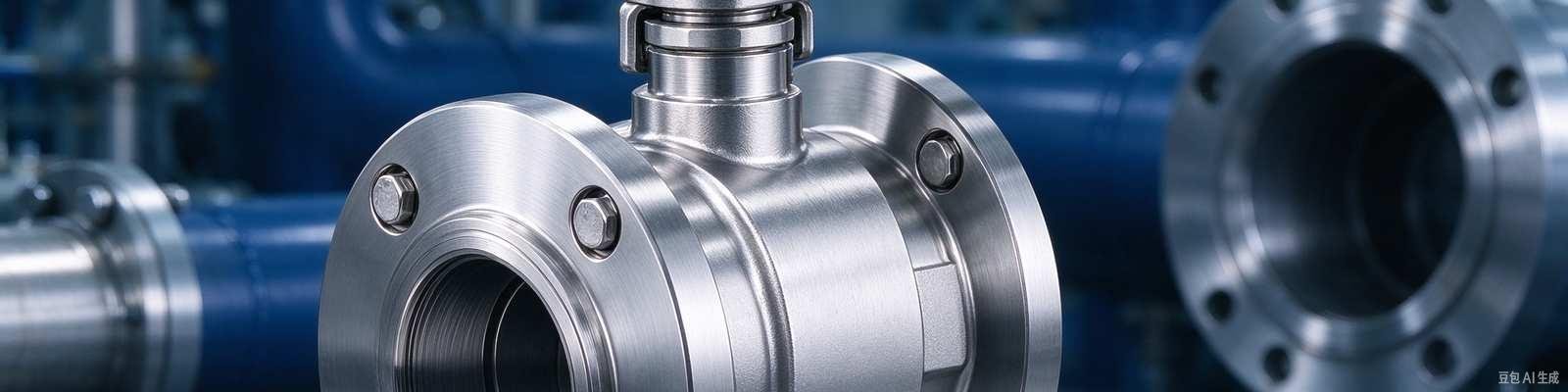
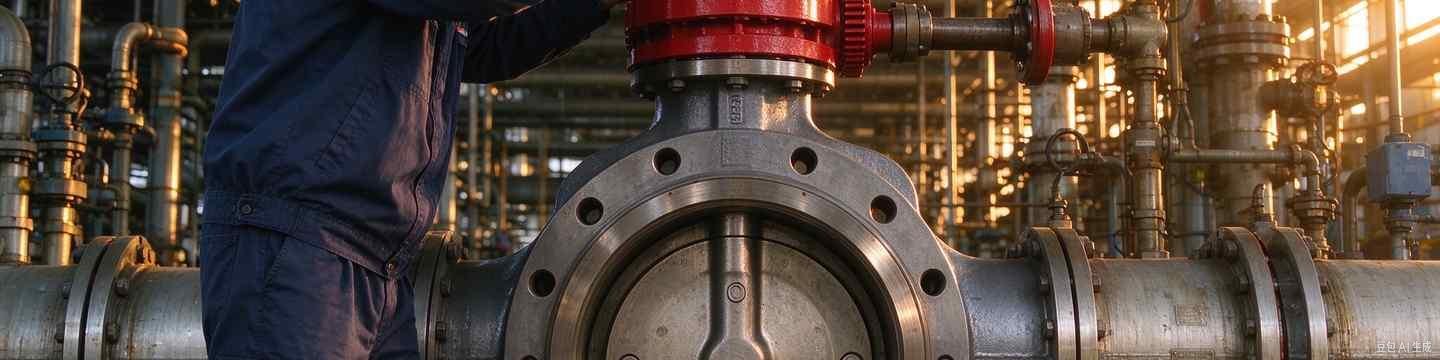
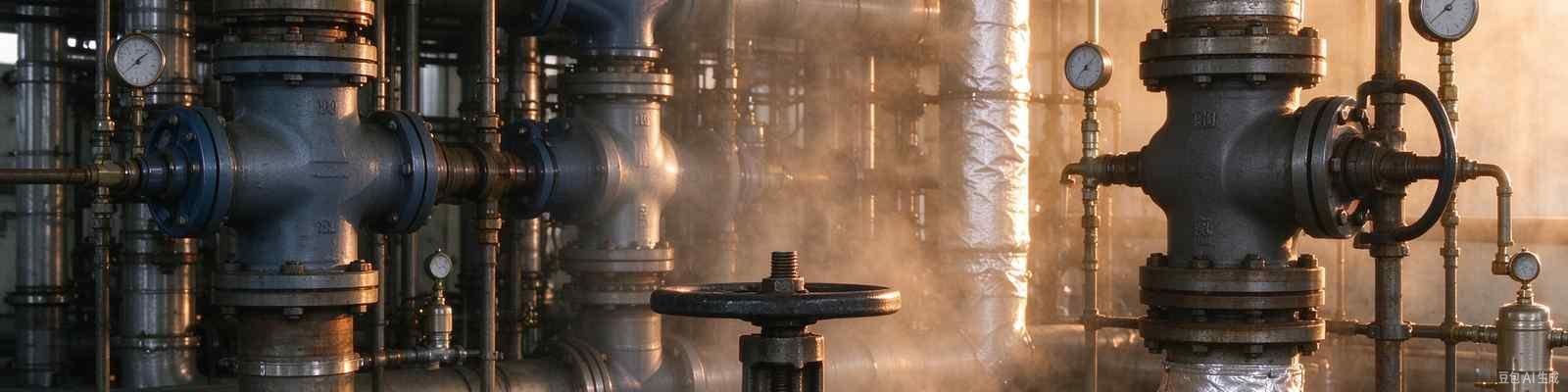
The Short Answer Valve characteristic describes how flow changes as the valve opens. A linear characteristic produces a flow change […]
The Short Answer The industrial valve market heading into 2027 is being shaped by automation, digitalization, and the energy transition. […]
The Short Answer Pipe velocity and valve sizing are linked but serve different purposes. Pipe velocity is a piping design […]
The Short Answer Electric actuators convert an electrical signal into valve motion using a motor and gear train, while hydraulic […]
The Short Answer A leaking gate valve usually fails in one of three places: the stem seal (packing), the bonnet […]
The Short Answer CF8M and CF3M are both corrosion-resistant cast stainless steel grades covered by ASTM A351, and they are […]
The Short Answer An isolation valve is designed to stop flow completely for maintenance or safety, while a control valve […]
The Short Answer In emergency shutdown (ESD) service, the question is not how the valve opens and closes, but where […]
The Short Answer Seawater is one of the most corrosive services a butterfly valve can face. Chlorides attack stainless steels, […]
The Short Answer Knife gate valves are a practical choice for wastewater isolation where the media carries solids, rags, sand, […]
The Short Answer For ammonia isolation service, both ball valves and globe valves can do the job, but they are […]
The Short Answer Control valve sizing is the process of matching a valve’s flow capacity (Cv) to the required flow […]
The Short Answer Cv is a valve’s flow coefficient — a number that expresses how much flow a valve passes […]
The Short Answer The flow coefficient Cv is used to size valves for both liquids and gases, but the two […]
Valve Bonnet Types Explained: How the Top End Is Sealed and Serviced Most valve discussions focus on the body and […]
What Is Flashing in a Valve: The Pressure-Drop Phenomenon Explained If a valve in a liquid line starts making noise, […]
Low-Carbon Valves and the Net-Zero Push: What the Industry Is Doing Industrial decarbonization is reshaping more than power generation. The […]
Digital Transformation in the Valve Industry: What Is Changing in 2026 Industrial valves have traditionally been mechanical products — a […]
Check Valve Cracking Pressure: How to Pick the Opening Threshold Every check valve has a cracking pressure — the minimum […]
Valve Cv vs Kv: Converting Flow Coefficients Without Guesswork Every control valve datasheet quotes a flow coefficient, but it may […]
Spring Return vs Double Acting Actuator: Choosing the Safe Drive Every automated valve needs an actuator, and one of the […]
Fail Open vs Fail Closed Valve: Setting the Safe Default For any valve with an actuator, one of the first […]
Dual Plate vs Swing Check Valve: Which Non-Return Design Fits the Line? When reverse flow must be stopped, the check […]
Check Valve vs Backflow Preventer: Similar Job, Different Standard In water and process piping, both check valves and backflow preventers […]
Ductile Iron vs Cast Iron Valve: Strength Changes the Rules For waterworks and general industrial valves, the body material is […]